


Can AI Curate Your Wardrobe? A Look at the 2026 Personal Styling Trend
According to Deloitte's 2026 Luxury Report, 72% of high-net-worth men now use some form of AI when deciding what to wear. That's not a niche experiment anymore — it's close to becoming the default way a growing segment of shoppers approach getting dressed. The obvious question follows: if an algorithm can tell you what to wear, does a personal stylist, or your own judgment, still matter?
The honest answer sits somewhere in between, and it depends heavily on what part of the decision you're talking about. AI has gotten genuinely good at some parts of styling, and it still falls flat on others in ways that matter more than they might first appear. Here's where the line actually is.
What AI Styling Actually Does in 2026
Most AI styling tools work off the same basic idea: you feed them a photo of your wardrobe, a recent purchase, or a description of an event, and they return combinations pulled from data on color theory, current trends, and what similar users have chosen before. Some go further, scanning your existing pieces to flag gaps — a missing neutral blazer, for instance — or suggesting what would pair well with something you already own, based on patterns across thousands of similar wardrobes.
The impact on actual buying behavior is measurable, not just theoretical. According to Gartner, AI-generated accessory recommendations increase purchase conversion by 28% compared to browsing without guidance. That's a significant enough number that most major retailers are now building some version of this directly into their sites, rather than treating it as an experimental add-on.
|
What AI Styling Tools Typically Do |
How |
|
Suggest outfit combinations |
Pattern-matching against color and style data |
|
Identify wardrobe gaps |
Analyzing uploaded photos of existing pieces |
|
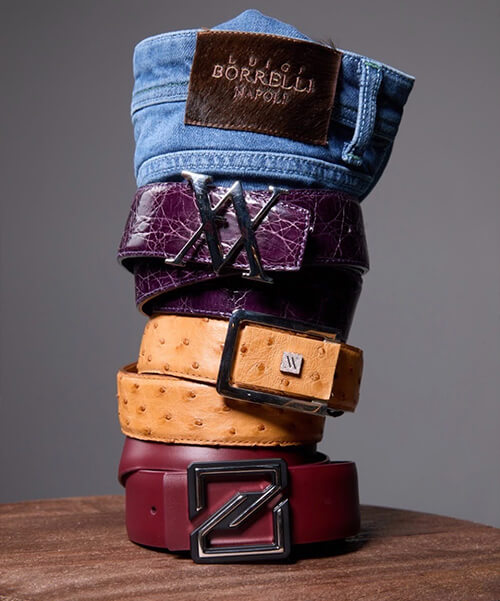
Recommend accessories |
Purchase-history and trend-based matching |
|
Personalize by occasion |
Prompt-based input (event, weather, dress code) |
Where AI Gets It Right
Give credit where it's due — AI styling tools solve real problems for a lot of men, particularly ones who never developed a strong sense of what works together in the first place, or who simply don't want to spend the mental energy on it every morning.
-
Speed. A full outfit suggestion takes seconds, not the twenty minutes of trial and error in front of a mirror.
-
Consistency. The recommendations are usually safe, coherent, and rarely clash — useful for someone who wants to avoid obvious mistakes rather than take creative risks.
-
Data-backed personalization. Suggestions improve over time based on what you've actually bought and kept, not just what's trending this week on someone else's feed.
-
Confidence for beginners. For someone building a wardrobe from scratch, a reasonable starting point beats a blank page and a closet full of options that don't yet make sense together.
None of this requires taste, exactly — it requires enough data and pattern recognition, which is precisely what these systems are built for, and they do it well within that narrow scope.
Where AI Still Falls Short
This is where the gap becomes obvious, and it's a wider gap than the marketing around these tools tends to suggest. An algorithm can tell you that a navy blazer pairs well with grey trousers. It cannot tell you whether the wool in that blazer will hold its shape after a season of wear, or whether the stitching along the lapel was rushed to hit a price point.
-
No tactile judgment. Fabric weight, drape, and hand-feel are physical qualities no photo fully captures, no matter how detailed the image.
-
No sense of fit on your actual body. Recommendations are generic; posture, proportions, and how a garment moves with you are not accounted for.
-
Trend-trained, not craft-trained. These systems learn from what's popular right now, not from decades of tailoring standards passed down in a workshop.
-
Can't distinguish "on-trend" from "well-made." A recommendation can be stylish and still be a poorly constructed garment that won't last past a few wears.
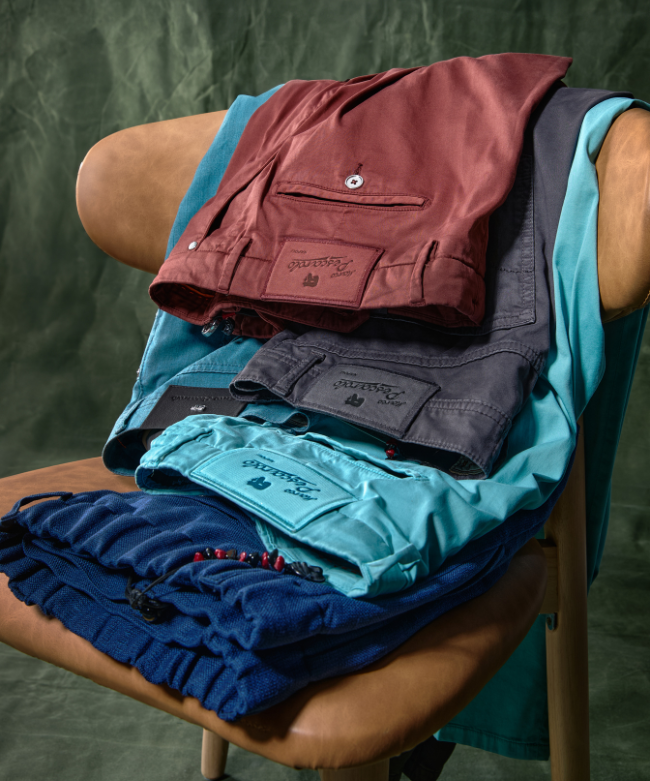
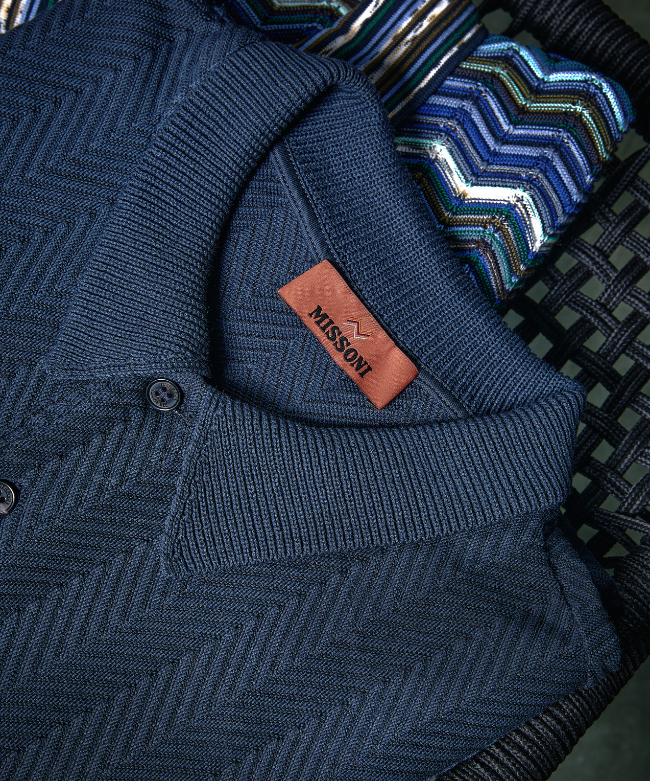
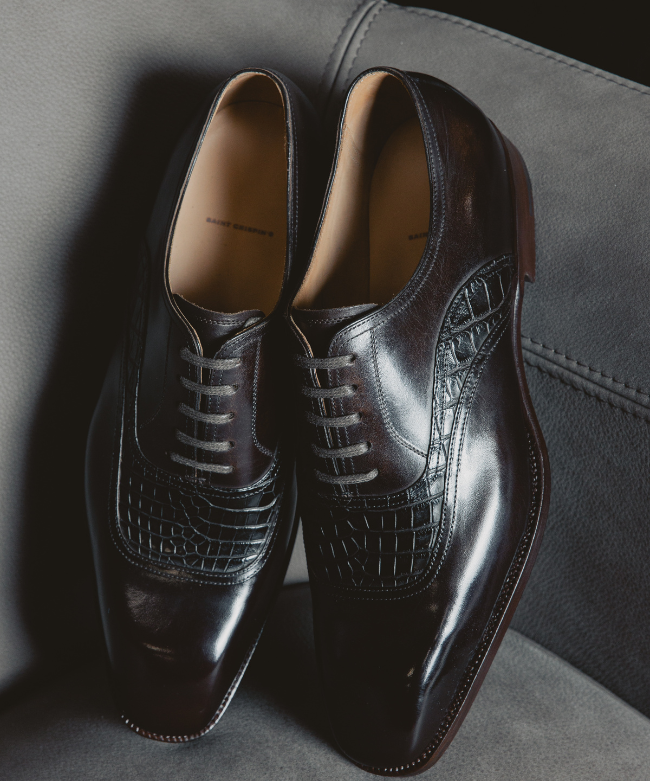
This is closely related to something we've written about before: the 5 signs of real quality you can only detect by touch — details like stitch density, lining weight, and how leather ages over time, none of which show up in a product photo, let alone in an algorithm's training data.
The Human Element That's Still Winning
This is also exactly why quiet luxury has held on as a defining style movement even as AI tools have become mainstream over the same period. The appeal of restrained, well-made pieces was never about visible branding an algorithm could easily categorize and recommend — it's about texture, provenance, and details that reward a closer look, not a quick scan through a camera lens.
The most useful way to think about AI styling right now isn't as a replacement for judgment, but as a starting point for it. Let the algorithm suggest the outline of an outfit, narrow down the options, and save you the initial legwork. Let your own eye — or a knowledgeable one — decide whether the materials and construction actually hold up once you're standing in front of the mirror, not just on a screen.
Where This Leaves You
|
AI Is Good At |
A Human Eye Is Still Needed For |
|
Suggesting combinations quickly |
Judging fabric quality by feel |
|
Spotting wardrobe gaps |
Assessing fit on your actual body |
|
Following current trends |
Recognizing genuine craftsmanship |
|
Personalizing by purchase history |
Telling "on-trend" apart from "well-made" |
AI is a genuinely useful starting point — faster and more consistent than guessing on your own. But the final call on quality, fit, and whether something is actually worth owning still comes down to a closer look than any screen can offer. If you want to see what that closer look actually involves, our collection of accessories and menswear is built on exactly the details an algorithm can't evaluate for you.



Leave a comment
This site is protected by hCaptcha and the hCaptcha Privacy Policy and Terms of Service apply.